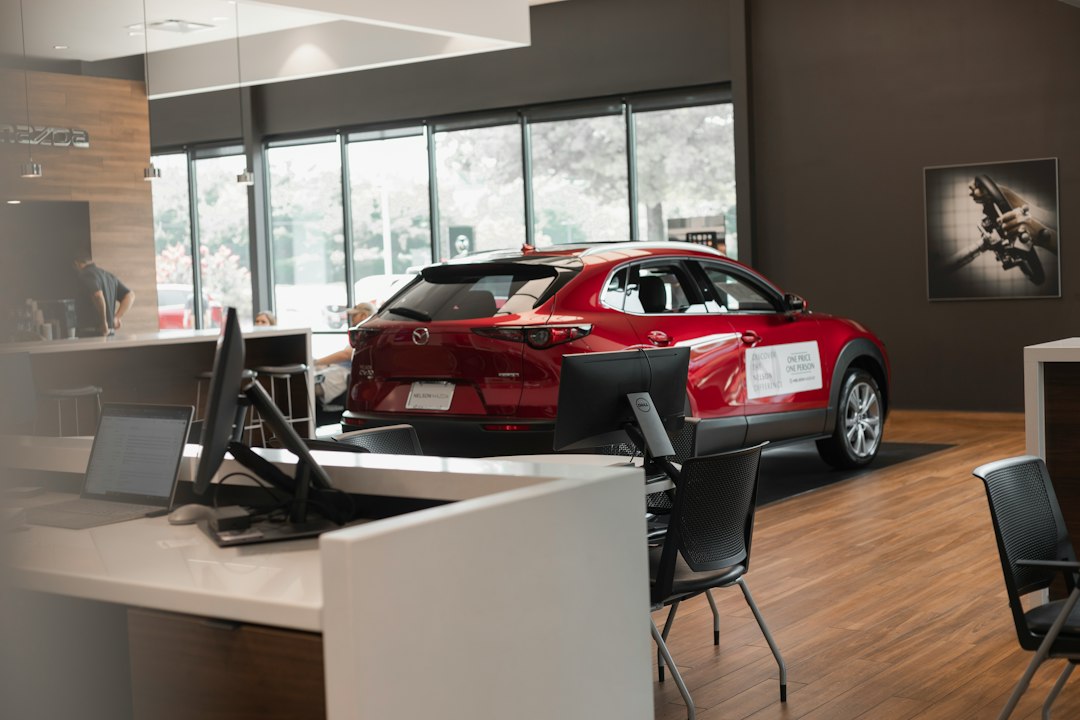
GAP insurance pays the difference between your car's actual cash value and what you still owe on your loan or lease if the car is totaled or stolen. It makes the most sense for new cars with a small down payment, a long loan or a lease. Buying from your auto insurer is often cheaper than from a dealer.
What Is GAP Insurance?
GAP insurance, short for guaranteed asset protection, covers the difference between what your car is worth and what you still owe on it if the car is totaled or stolen. It is designed for people who finance or lease a vehicle, especially a new one.
Here is why that gap exists. If your car is declared a total loss, your collision or comprehensive coverage generally pays its actual cash value, which is the market value at the time of the loss, minus your deductible. It does not pay what you originally paid or what is left on your loan. If you owe more than the car is worth, you would still have to pay the lender the difference, even though you no longer have the car. GAP coverage is meant to pay that shortfall.
How Depreciation Creates the Gap
New cars tend to lose value quickly, especially in the first few years. Loan balances, on the other hand, go down slowly at first because early payments include more interest. For a while, many drivers owe more than the car is worth. This is often called being upside down or having negative equity.
A simple example helps. Say you owe $30,000 on your loan, and after an accident your insurer values the car at $24,000. With a $1,000 deductible, your collision coverage would pay about $23,000. That leaves a $7,000 balance. Depending on its terms, a GAP policy would pay all or most of the $6,000 difference between the car’s value and your loan balance. You would usually still be responsible for the deductible.
Who Needs GAP Insurance?
GAP coverage is most useful when the amount you owe is likely to exceed the car’s value. That often happens if you:
- Made a small down payment or no down payment.
- Took out a long loan, such as 60 months or more.
- Rolled negative equity from a previous car into the new loan.
- Bought a model that tends to depreciate quickly.
- Are leasing the vehicle.
You probably do not need it if you paid cash, made a large down payment, or already owe less than the car is worth. Your lender or lease company may require some form of GAP coverage, so check your contract.
Loan vs. Lease: How GAP Works for Each
Financed cars
With a loan, you are responsible for the full balance even after a total loss. GAP coverage pays the lender the difference between the insurance settlement and the payoff amount, within the policy’s limits.
Leased cars
With a lease, you agree to pay the lease company if the car is totaled or stolen. Many leases already include a GAP waiver, which cancels the remaining balance in that situation. If yours does, buying separate GAP insurance may be unnecessary. Read the lease agreement or ask the leasing company before you pay for coverage twice.
Where to Buy GAP Coverage
You usually have three places to get it, and the cost and terms can be very different.
| Source | How it is usually paid | Things to know |
|---|---|---|
| Your auto insurer | Added to your policy premium | Often the least expensive; easy to remove later |
| Car dealer | One-time fee, often rolled into the loan | Optional; you may pay interest on it |
| Lender or credit union | One-time fee or added to the loan | Often a GAP waiver rather than insurance |
Dealer GAP is optional, even if it is presented as part of the paperwork. When the cost is added to your loan, you pay interest on it for the life of the loan. Buying through your insurer typically adds a modest amount to your premium. To get it from an insurer, you generally need collision and comprehensive coverage on the car, and some insurers only offer it on newer vehicles or to the original owner or lessee.
Some insurers sell a similar product called loan or lease payoff coverage. It often caps the payout at a percentage of the car’s actual cash value, commonly about 25 percent, so it may not cover a large gap. Compare limits before you choose.
What GAP Insurance Usually Does Not Cover
- Your collision or comprehensive deductible, in most cases.
- Overdue loan payments, late fees or extended warranties added to the loan.
- Negative equity from a previous car, under some policies.
- Repairs to a car that is damaged but not totaled.
- A replacement car or a down payment on one.
Terms vary by insurer and by state, so read the policy or waiver for specific exclusions.
When to Drop GAP Insurance
GAP coverage only matters while you owe more than the car is worth. Once your loan balance falls below the car’s market value, you can usually drop it. Check your payoff amount with the lender and compare it to a current value estimate from a pricing guide.
Your insurer may not remove GAP automatically, so ask. If you bought it from a dealer or lender and pay off the loan early, sell the car or trade it in, you may be eligible for a partial refund. Refund rules vary by contract and state.
New Car Replacement: An Alternative to Consider
New car replacement coverage is a different add-on. Instead of paying off your loan, it pays toward a new car of the same make and model, rather than the depreciated value, if your recent-model car is totaled. It is usually only available for cars within their first year or two and below certain mileage limits, depending on the insurer.
It does not pay off your loan. If you owe more than the replacement payout, you are still responsible for the rest. Some drivers combine new car replacement with GAP coverage. Ask your insurer what it offers and how the two would work together.
Bottom Line
GAP insurance is worth considering if you finance or lease a new car with a small down payment or a long loan, because a total loss could leave you owing thousands on a car you no longer have. Check whether your lease already includes a GAP waiver, compare insurer and dealer prices, and drop it once you owe less than the car is worth.
Frequently asked questions
Is GAP insurance required?
Car buyers generally are not required to buy it, but a lender or leasing company may require it as a condition of the loan or lease. Many leases already include a GAP waiver. Dealer GAP coverage is optional, so you can usually choose to buy it from your own auto insurer instead.
Does GAP insurance cover my deductible?
Usually not. Most GAP coverage pays the remaining loan or lease balance after your collision or comprehensive coverage pays, but you typically still owe your deductible. Some policies or waivers handle this differently, so check the terms before you buy and compare options.
Can I get a refund on GAP insurance?
Often, yes. If you bought GAP coverage from a dealer or lender and then pay off the loan early, sell the car or trade it in, you may be eligible for a partial refund. Refund rules depend on your contract and state law, so contact the provider to ask.
Read also
You may also search for: auto insurance, insurance discounts, compare insurance quotes
This article is for general information only and is not insurance, legal, tax or medical advice. Rules, coverage and prices vary by state, plan and insurer. Check your policy documents and speak with a licensed agent before making decisions.


